

Part 1: Clos Mogador and Celler Cal Pla

The final leg of our trip to Spain brought us to The Priorat wine region. Priorat is in Catalunya, about a two hour drive from Barcelona. Unlike that tourist-filled [overrun?] city, the Priorat DOCa flies a bit under the radar, at least in the US. But it’s a region rich with wine making history that dates back to the Romans in the 5th century. The name itself refers to “the lands of the prior,” the Carthusian Order of monks that arrived in the late 12th century. But until the late 20th century, Priorat lay forgotten.
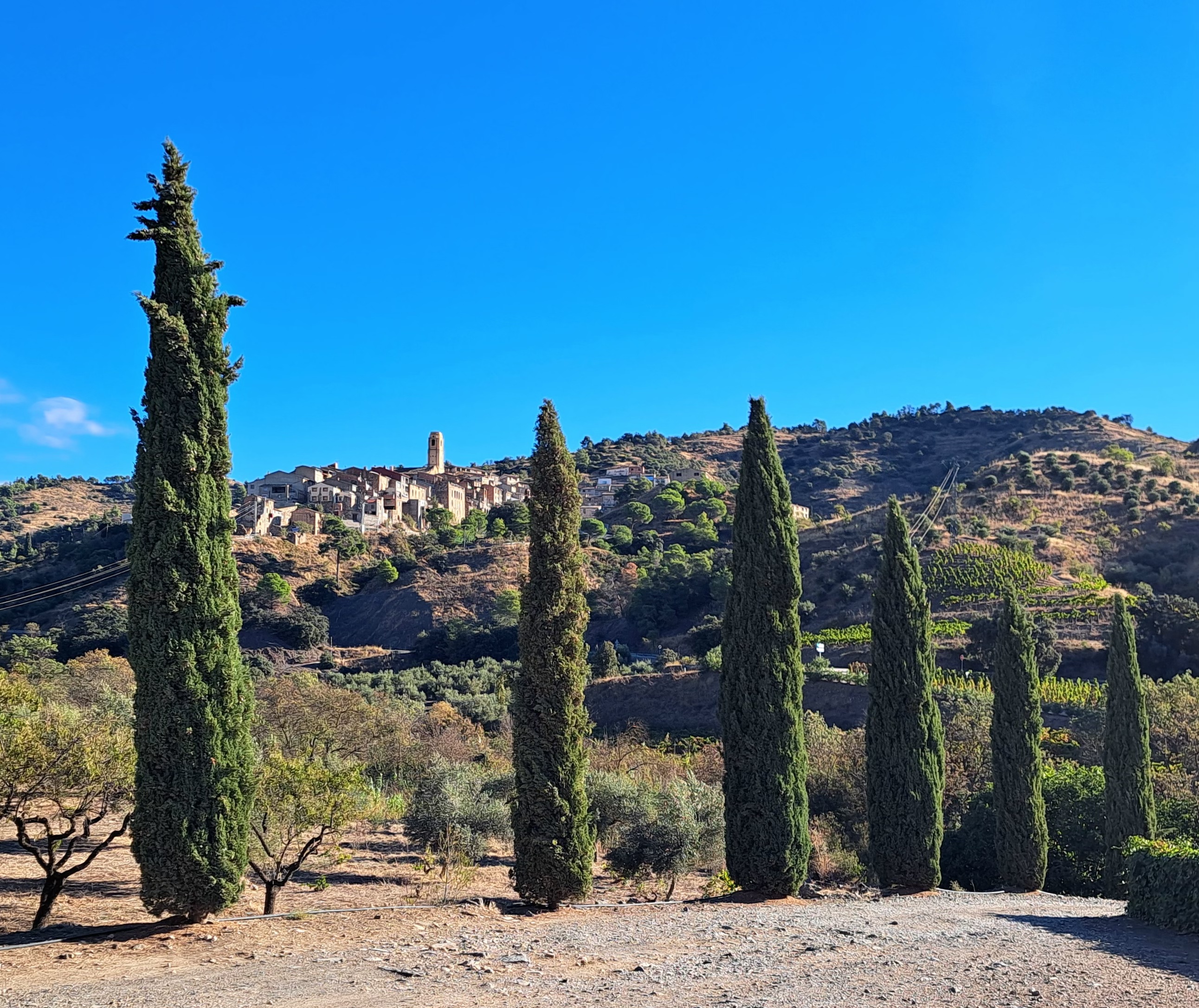
Bodegas Mas Alta Vineyards
A Tough Terrain
The modern-day Priorat renaissance was sparked in the 1990’s by Clos Mogador founder René Barbier III and his late wife, Isabelle Meyer. Barbier was one of the “Gang of Five” pioneers who, together, resurrected a wine region. But it hasn’t been easy. Growing grapes here is tough. The terroir is marked by steep terraced hillside plots (known as costers) within the clay/black slate/quartz soils (known as llicorella). The old vines on this “barely tamed landscape” grow in “inaccessible places, where mechanization is impossible and everything must be done by hand.”[TurismePriorat]
The challenging terroir keeps grape yields per hectare ridiculously low. Priorat winemakers can only squeeze out an average of 667 bottles of wine per hectare. The norm for regions outside of Priorat averages 7,500 bottles per hectare. [Barcelona Inside + Out] Despite all the obstacles, Priorat is one of only two wine regions–the other is Rioja–to have qualified as a DOCa, the highest status for a Spanish wine region according to strict regulations. [WinePaths.com]
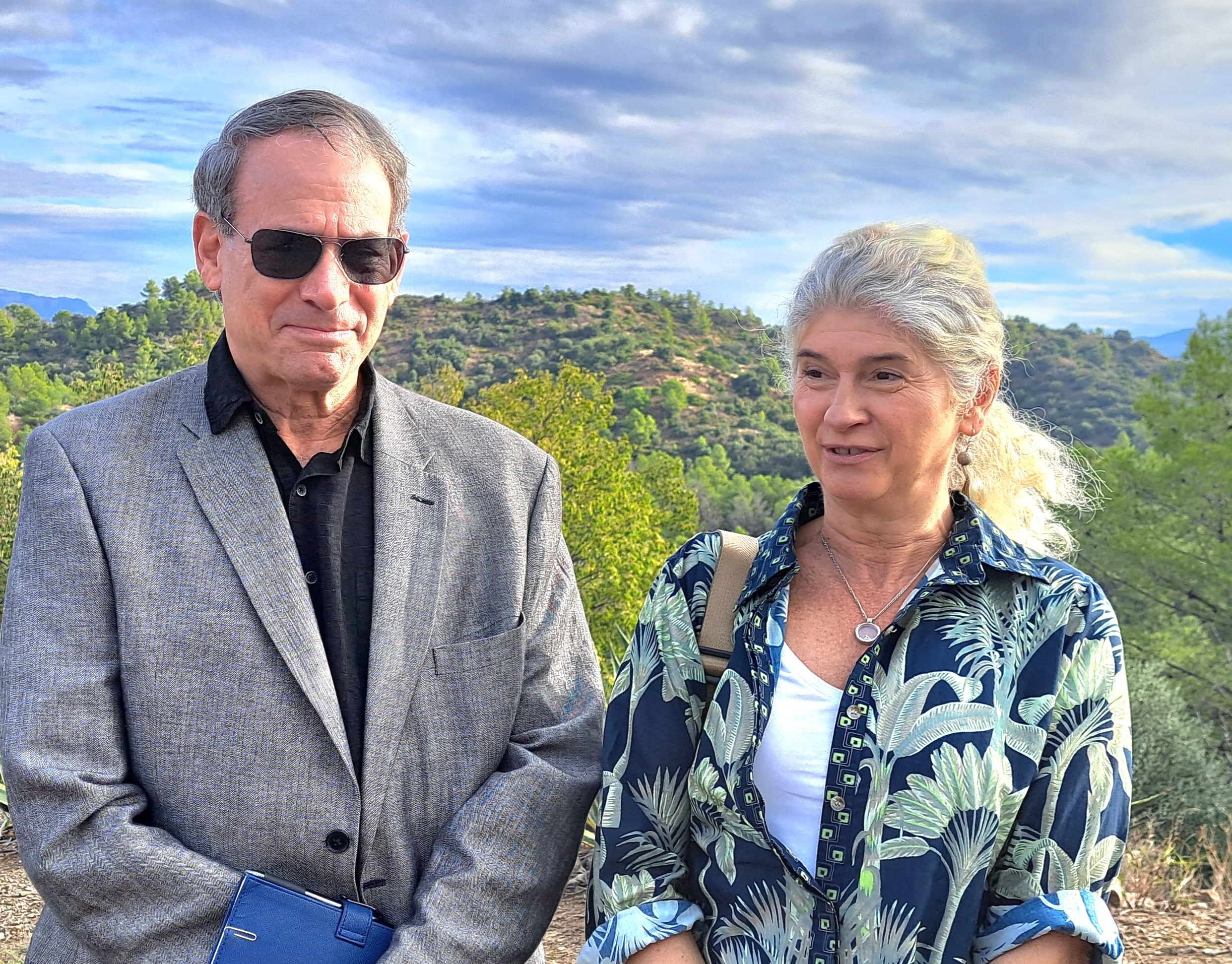
2 Days, 6 Wineries, One Incredible Guide
We discovered Priorat wines on our first trip to Barcelona 15 years ago, and have been fans ever since. The legendary Priorat reds are powerful, well-balanced, and complex; a blend of Garnacha and Carignan, with an occasional smattering of Syrah, Cabernet Sauvignon, and Cab Franc. And while 90% of the grapes planted are red, Priorat winemakers craft crisp, minerally whites from Garnacha Blanca, Macabeu, Piquepoul, and Pedro Ximénez varietals.
With the steep winding mountain roads and our lack of knowledge of the region, we were glad to have the help of a local guide, Ania Andrews of TravelPriorat. Her expertise, (Level 3 WSET Sommelier] patience, and good humor made her the ideal wine-tasting companion.
Following are vignettes of two favorite winery visits. Part 2 will feature the final two winery reviews.
CLOS MOGADOR, Gratallops

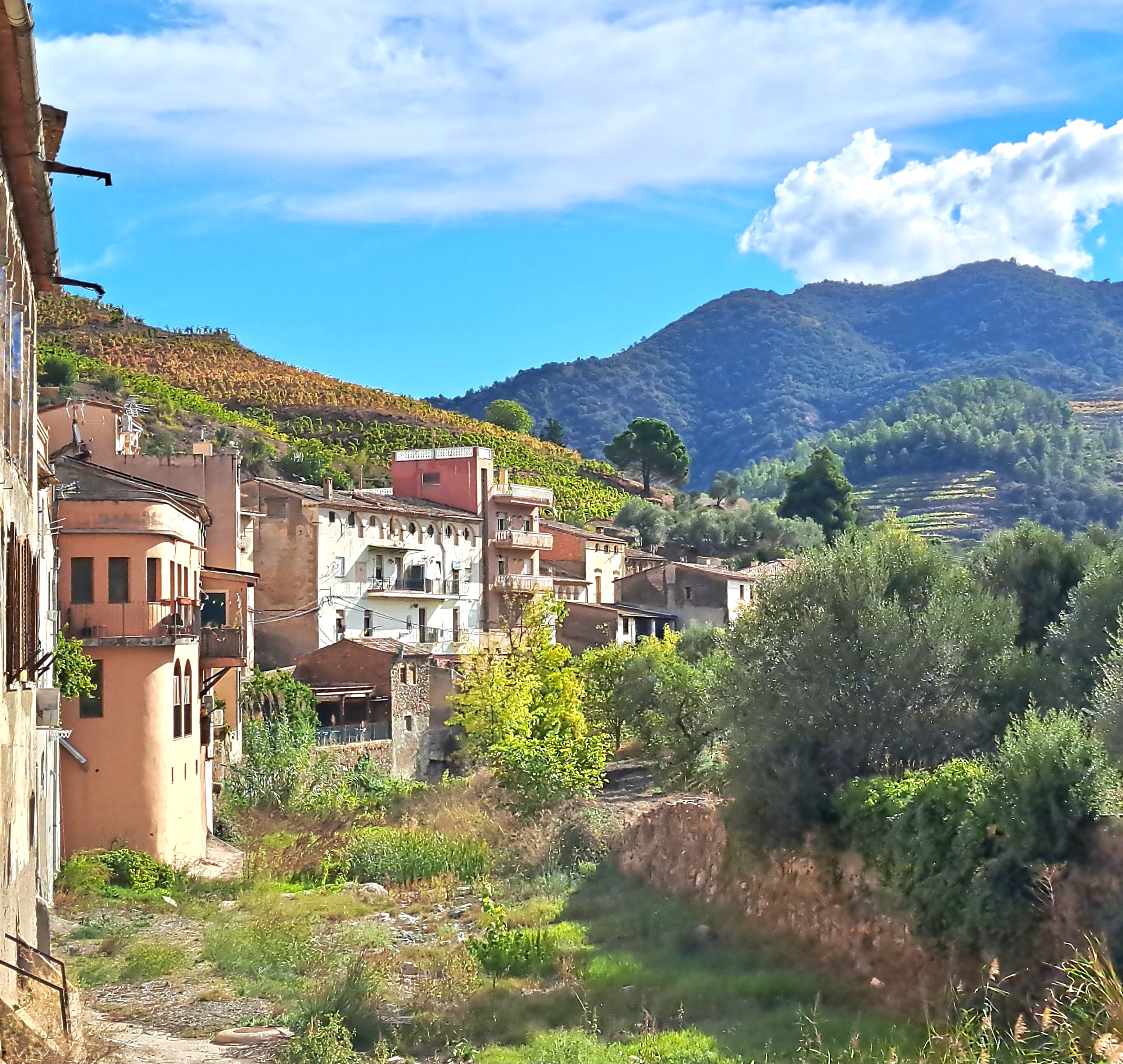

Our wine tasting at Clos Mogador
René Barbier III founded Clos Mogador in 1979 and released its first vintage in 1989. He “borrowed” the name Mogador from his great aunt Élisabeth’s popular novel “Les Gens de Mogador,” which was later made into a popular TV series. What was his secret for bringing a forgotten wine region back to life? Acquire a vineyard in a desolate but impossibly beautiful corner of Spain. Choose a pop culture-friendly French name. Make exceptional, estate-grown wine and score 92 points from Robert Parker in your third vintage. Bang, the new Priorat was born. And it’s still going strong. We enjoyed a generous six-wine tasting. With broad distribution in the US, we chose to purchase their wines back home.
CELLER CAL PLA, Porrera


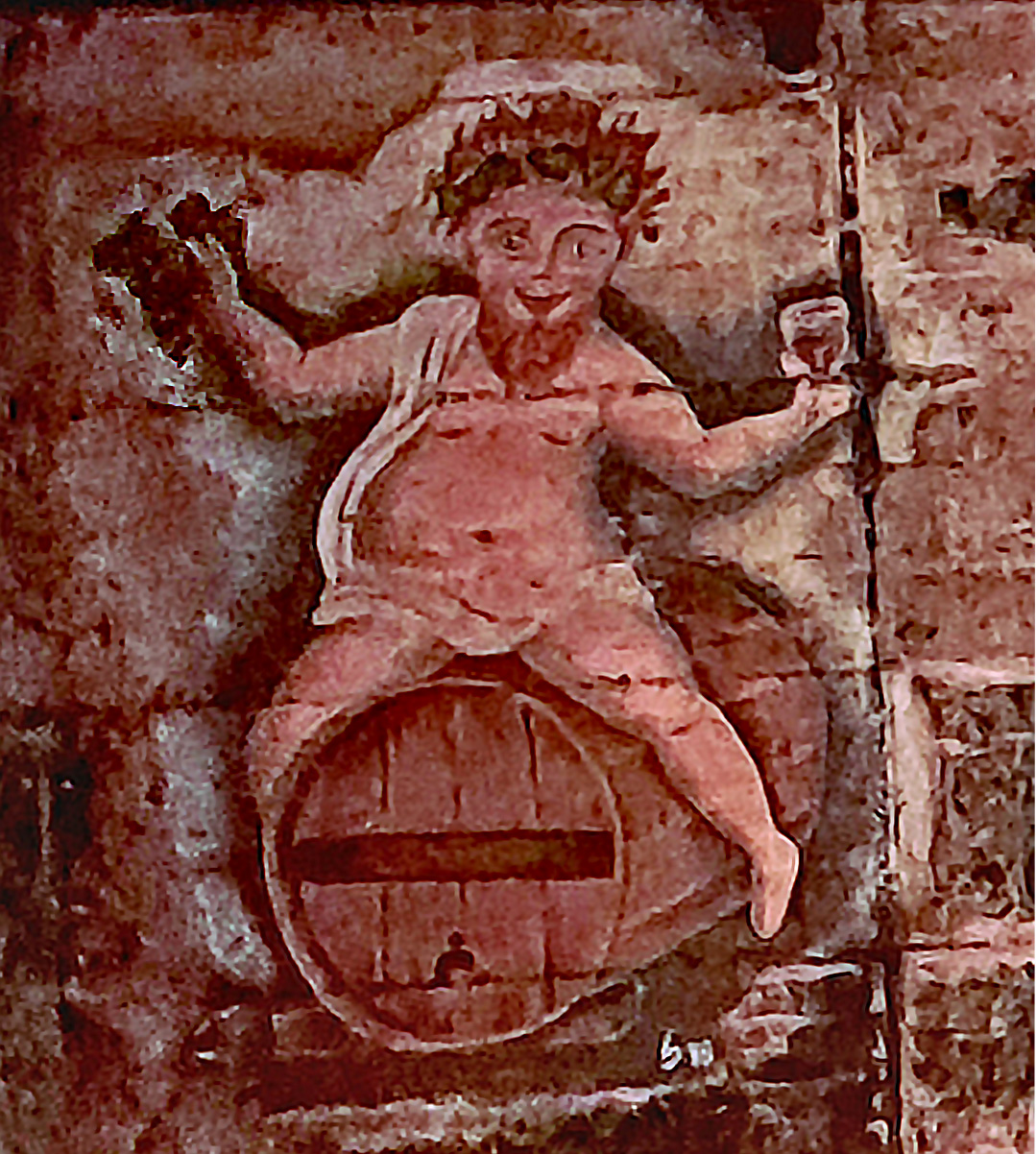
Our wine tasting at Cal Pla
The serpentine drive into the heart of Priorat took us around hairpin turns and through terraced vineyards and ancient villages. Cellar Cal Pla is smack dab in the middle of the village of Porrera, where we spent a delightful two hours with 10th generation winemaker Joan Sangenis [above, left]. After two centuries of producing bulk wine for the locals, Sangenis’ family transitioned to a boutique winery in the late 1990s. History seeps from every pore of the facility. The barrel room dates to 1850; some of the barrels are 150 years old; and many of the vines–particularly the Grenache and Carignan–are 100+ years old. But this is no old-fashioned operation. Joan is a contemporary winemaker, producing excellent whites and reds for the wine-lovers of today–like us. We shipped home a case of Cal Pla wines!
The barrel room at Cal Pla boasts centuries-old frescos inscribed with words of wine wisdom in an old Catalan dialect. Our friend and native Catalan speaker helped us with a rough translation.


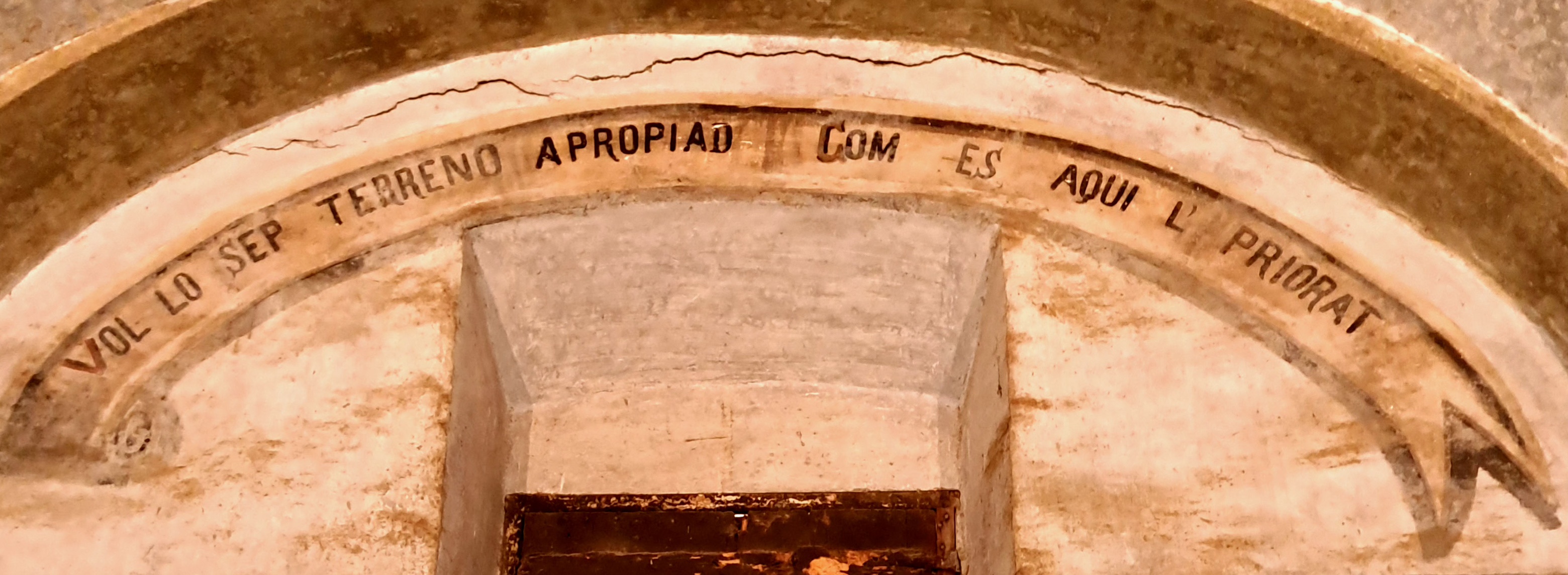
- “To make wine you need the right land, like in The Priorat”
- “If you want to make money, don’t neglect the wine cellar”
- “To make good wine, it is indispensable to have good barrels and a good wine cellar”
- “Wine gets better with the skill of the winemaker”
Favorite Wines from Clos Mogador and Cal Pla
CLOS MOGADOR [we didn’t ship any wine home as they are generally available in the US]
Priorat 2022; €85 at the winery. In US for $99 at Decantalo
Grenache (45%), Carignan (29%), Syrah (16%), Cab. Sauv (10%)
Black fruit and vanilla on the nose; “ka-boom” on the palate! Black plums and berries with a finish that goes on and on. Tightly wound and still a bit young.
Nelin 2016; €60 at the winery. In US for $75 at Saratoga Wine. 6 bottle minimum
Grenache Blanca (50%), Macabeo (50%)
An earthy white with some mint on the nose; full palate with peachy overtones and good minerality from the slate soil.
CELLER CAL PLA
Mas d’En Compte Blanc 2014; We bought 7 bottles for €30. 2015 in US for $26 at Solano Cellars
Grenache Blanca (50%), Picapoll Blanc (25%), Xarel·lo (25%)
Deep gold color; rich and multi flavored, like a salty baked peach dish. Syrupy mouthfeel. The 2020 left us cold but the 2014 hit a home run. 30 y.o. vines.
Mas d’En Compte 2017; We bought 3 bottles for €20. Not available in US
Grenache (50%), Carignan (40%), Cab Sauv (10%)
Vegetal nose leads to a licorice and vanilla with black current on the palate; smooth and rich with velvet finish. 30-80 y.o. vines. 90% of grapes aged 14 months in French oak; 10% in Hungarian barrels
Planots’ Vinyes Velles 2015; We bought 2 bottles for €50; 2007 in US for $99 at Luekens
Grenache (50%), Carignan (50%)
Beautiful structure and finesse; cherry compote on steroids! 115 y.o vines
Next Up: Priorat Wine Tasting, Part 2: En Numeros Vermells and Bodegas Mas Alta
 VinoDuo
Sounds like a beautiful part of the world and love the history of the wine making
It is a beautiful part of Spain that deserves more attention. Thanks for reading, Mark!