

Some couples travel to Europe to soak up the art, food, and culture. Others look forward to meeting new people. VinoDuo looks forward to meeting new grapes. [Yes, art, food, culture, and people are part of our repertoire too] When we travel to a wine growing region, we seek out less-familiar grapes that do a lot of heavy lifting but spend their lives in the shadows, at least in the US market. In Puglia, it was Susumaniello and Verdeca. In Languedoc, Marsanne and Roussanne.
During recent trips to Italy, Sardinia, and Priorat, we met a bunch of new grapes, some of which are grown nowhere else on earth. Here’s a look at four lesser-known varietals.
UMBRIA, ITALY
Italy boasts more than 2,000 indigenous grapes, so we were bound to discover a few during our recent trip to Umbria and Sardinia.
Grechetto – white wine grape
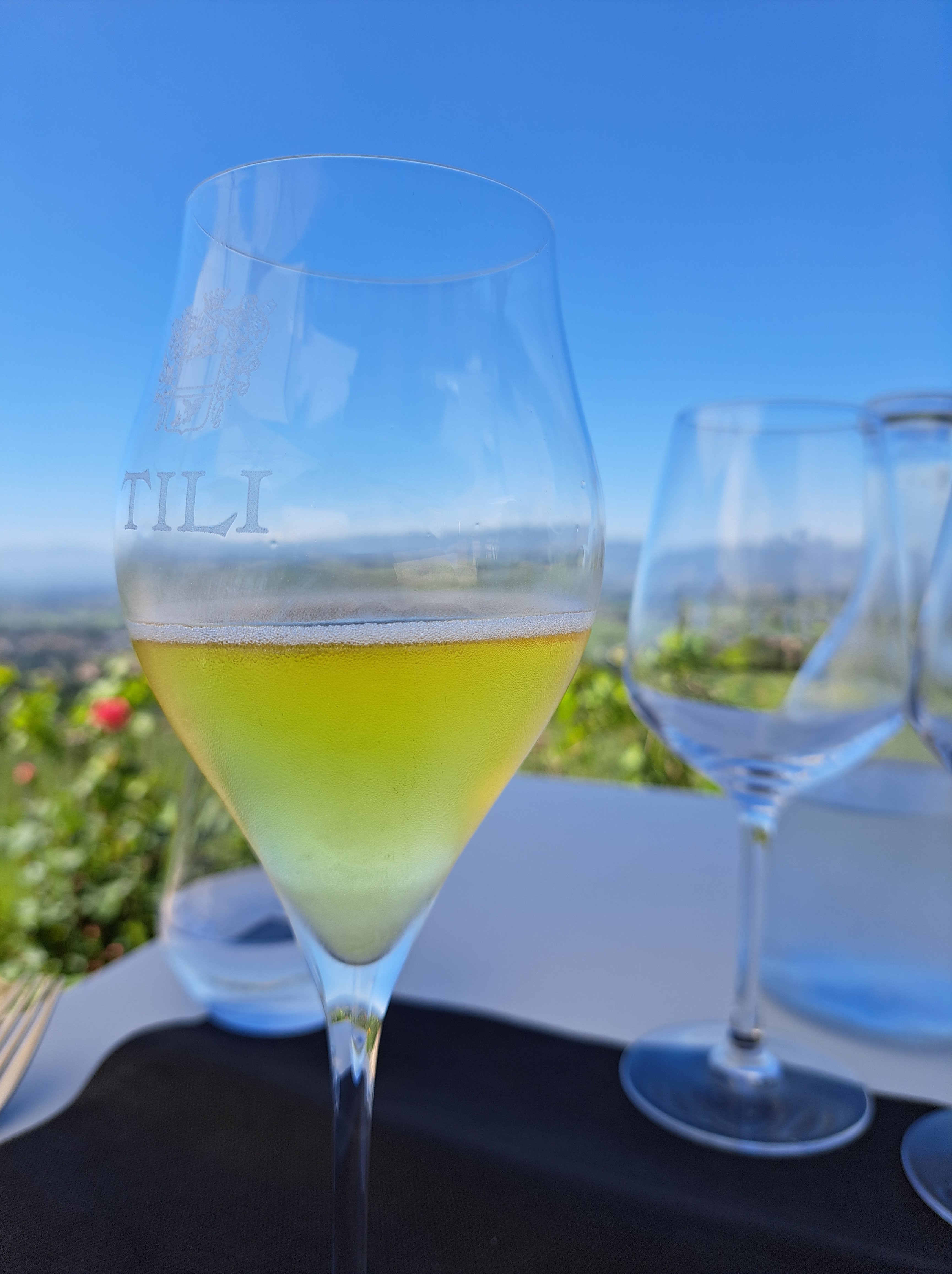
One of Umbria’s signature white wine grapes, Grechetto is typically straw/ yellow color, with some greenish hues; mineral plus fruit; crisp, tart, dry, and flavorful; full mouthfeel; a bit of floral at the finish; very food friendly
We recommend:
1. Goretti Grechetto DOC Colli Perugini 2024; $80 for 3 bottles at Yiannis Wine Shop
2. Tili Vini Assisi Grechetto 2023, not available in US; if you live in the Euro Zone…buy this wine!
Montefalco Sagrantino – red wine grape
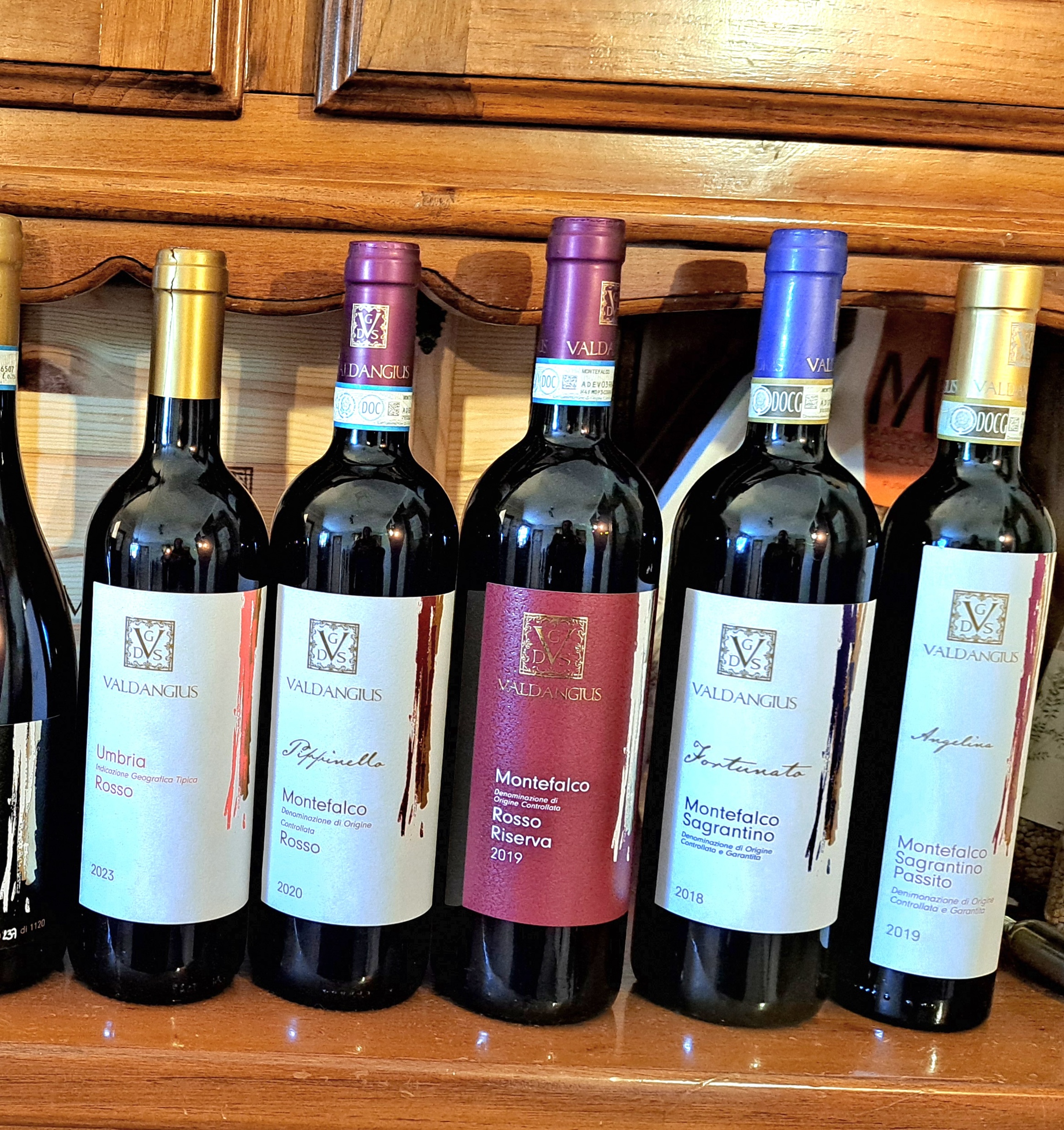
An ancient grape grown primarily in the Umbrian village of Montefalco, Sagrantino was “resurrected” in the 1980s and ’90’s by local winemakers, and gained DOCG status in 1992. It’s not an easy grape to love: thick skinned, highly tannic, and demanding to be aged. But in the hands of consulting winemaker Alessandro Meniconi, Cantina Valdangius‘s 2018 Sagrantino is, as we noted in our Umbria article, a “beautiful wine that competes with $50+ Napa Cab Sauv; Excellent depth, still tannic and needs a little time.” We can’t wait to try the 2018 again in a few years!
We recommend:
Valdangius Fortunato Montefalco Sagrantino DOCG 2018; $74 at Pasanella & Son, NY
SARDINIA, ITALY
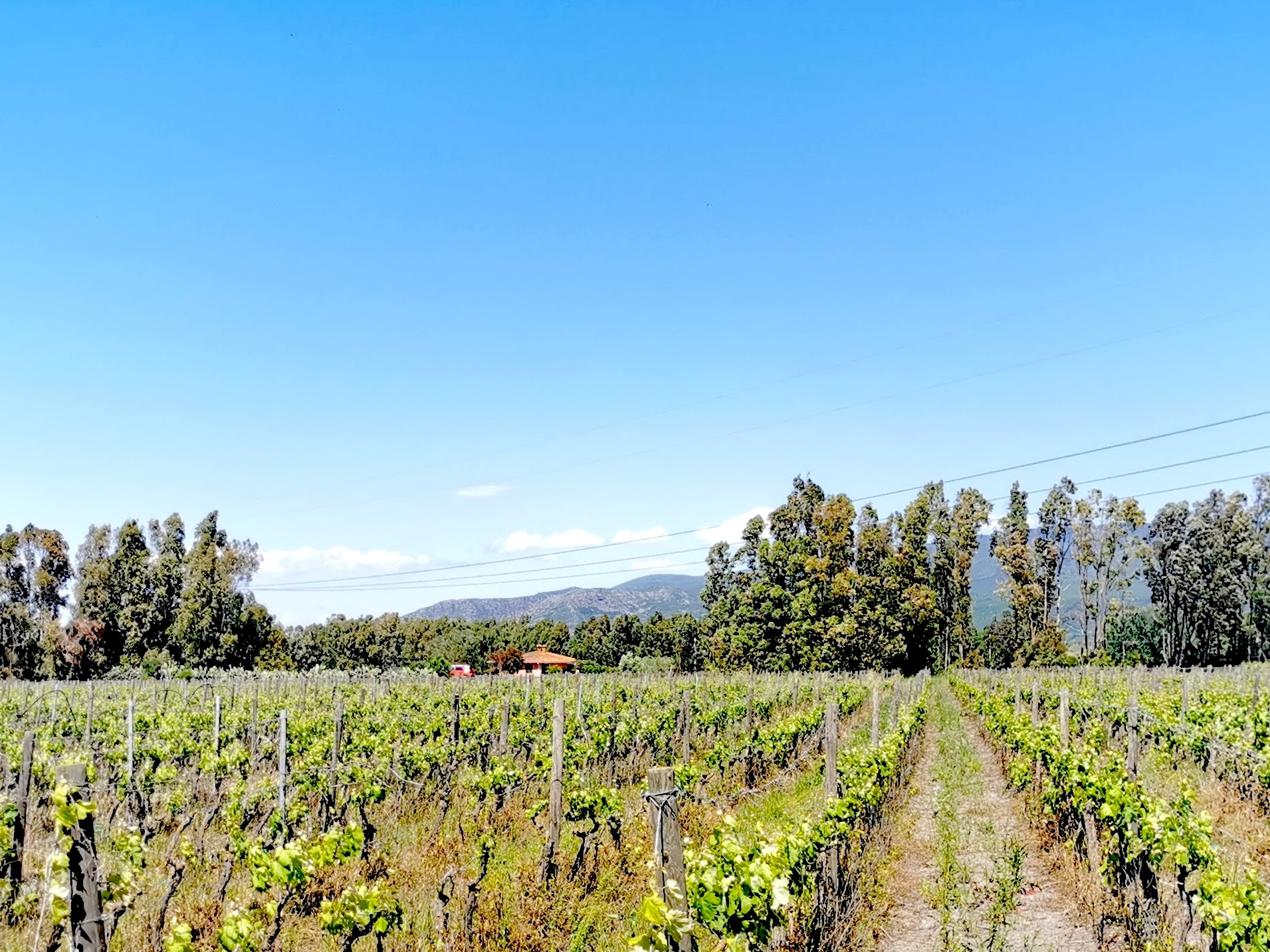
While Sardinia is officially part of Italy, the island vigilantly guards its own language, history, and viniculture. We were familiar with Sardinia’s best-known grapes, Cannanou [Grenache] and Vermentino. But Bovale was a surprise.
Bovale – red wine grape
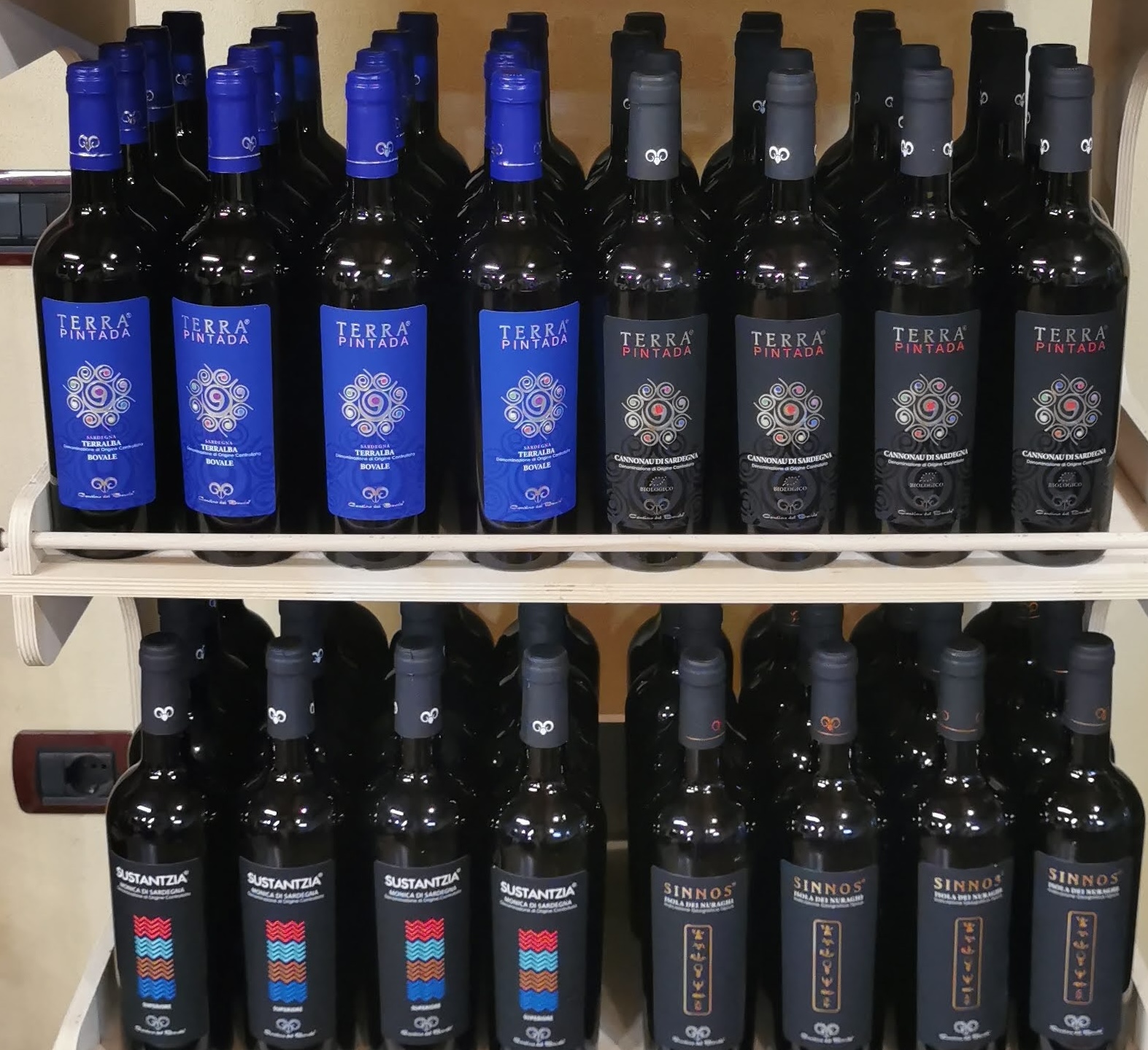
A tough, waxy-skinned black fruit, Bovale was once used primarily as a blending grapes, but Sardinian winemakers now use it as a pure varietal. Our favorite expression was from, not surprisingly, Cantina del Bovale. As we wrote in July ’25, “the almost-black juice gives off toasted vanilla notes with hints of black cherries and blackberries. Velvety smooth tannins, black fruits, and some undertones of minerality from the volcanic soils.”
We recommend:
Cantina Del Bovale Arcuento Terralba Bovale Superior
€20 at the winery; sadly not in the US
PRIORAT, SPAIN
The Priorat wine region of Spain is in Catalunya, about a two hour drive from Barcelona. Known worldwide for its red wines made with Grenache Tinto and Carignan, Priorat is a tough place to grow grapes. The terroir is marked by steep terraced hillside plots within the clay/black slate/quartz soils. The old vines on this “barely tamed landscape”
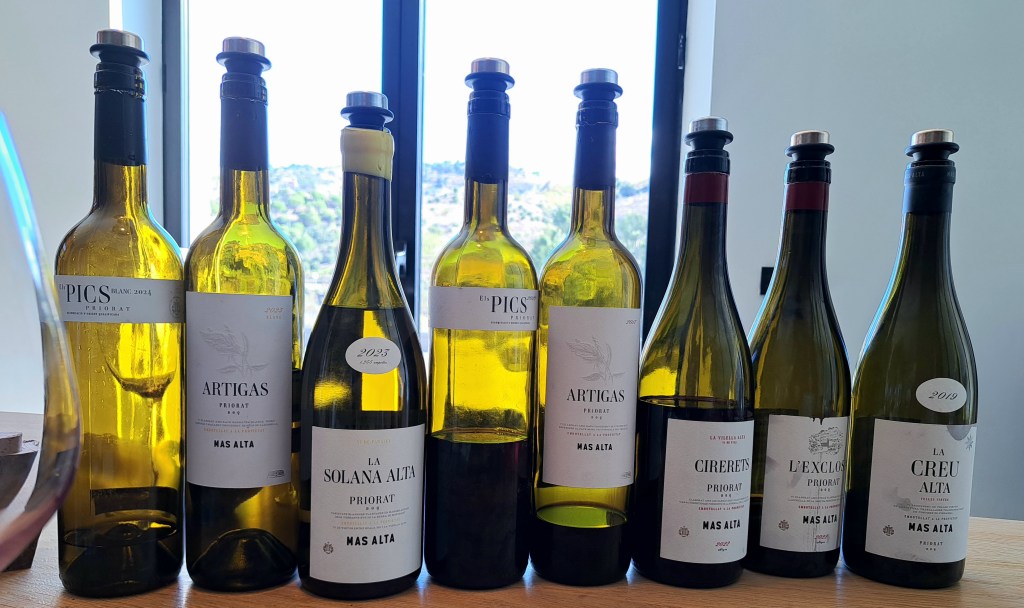
The “swoon-worthy” [per Lisa] White Grenache from Bodegas Mas Alta
Grenache Blanc – white wine grape
Another ancient grape resurrected in the 21st century by pioneering winemakers, Grenache Blanc is thought to be a mutation of the red Grenache grape that is the backbone of Priorat’s famed red wines. As we wrote in our December ’25 Priorat article, Grenache Blanc can be light hay/blond in the glass; lots of honeydew, peach and limestone aromas on the nose. Dry, with good acidity; apples and pears on the palate.
We Recommend:
1. Bodegas Mas Alta Els Pics Blanc 2024;
$26 + [expensive] shipping at Decantalo
Grenache Blanca (80%), Macabeo (20%)
2 En Numeros Vermells Garnacha Blanca del Carlos 2023; €23 online/at the winery
_____________________________
@vinoduoblog
 VinoDuo